
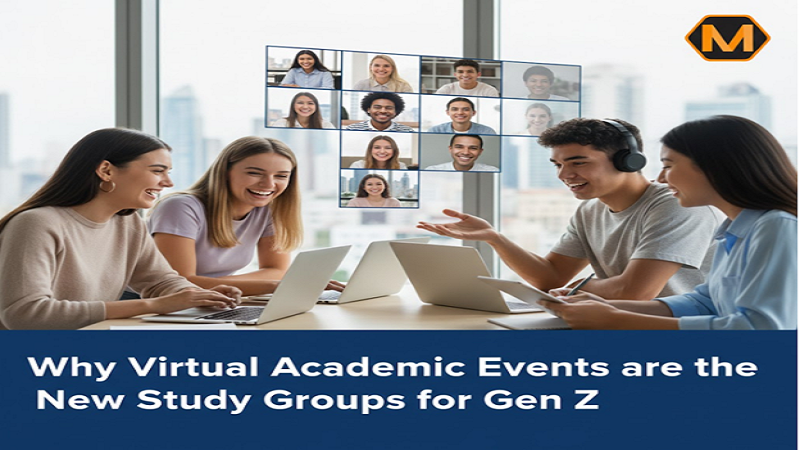
In the ever-evolving landscape of higher education, the classic image of students huddled around a library table is being replaced by something more dynamic, digital, and global. For Gen Z, the shift toward virtual academic events isn’t just about convenience—it’s about creating a “digital third space” where learning feels natural, collaborative, and deeply integrated into their tech-first lifestyles.
The Death of the “Quiet Floor” Culture
For decades, the university library was the undisputed hub of student life. But let’s be honest: the “Quiet Floor” isn’t exactly conducive to the way modern undergraduates process information. Gen Z thrives on interaction, multi-tasking, and instant feedback. Traditional study groups often struggle with logistical nightmares—matching schedules, finding an open room, and commuting across campus.
Virtual academic events, ranging from live-streamed “Study With Me” sessions on platforms like Discord to massive open webinars, have solved these friction points. These digital spaces allow students to drop in and out as their schedule permits, turning a rigid academic task into a fluid, social experience. It’s no longer just about passing a test; it’s about feeling part of a community that exists beyond the four walls of a lecture hall.
Why “Going Live” Beats “Going to the Library”
The magic of a virtual event lies in its interactivity. When a student joins a live academic workshop or a peer-led seminar, they aren’t just a passive observer. They are part of a real-time dialogue. Features like live polls, Q&A chats, and breakout rooms mean that a student in Sydney can collaborate with a peer in London or New York without leaving their desk.
However, this high-energy digital lifestyle comes with a heavy workload. Between attending these virtual events and keeping up with multiple units, the pressure can pile up. When the schedule gets too tight and deadlines loom, many smart students realize that delegating is a key part of management. In those crunch moments, it’s common to look for experts to do my assignment so they can focus on the high-value networking and live learning that happens during these virtual summits.
The Anatomy of a Modern Virtual Study Space
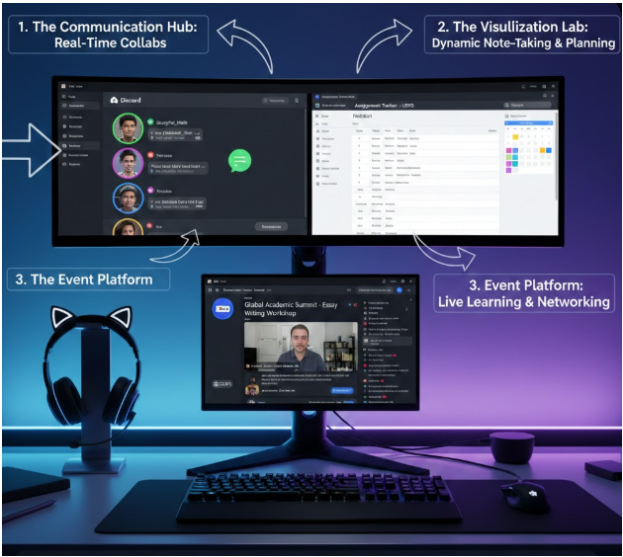
What does a 2026 study group actually look like? It’s often a mix of several digital tools working in harmony:
- The Communication Hub: Discord or Slack for constant, low-pressure text and voice chat.
- The Visualization Lab: Tools like Notion for shared databases and synchronized note-taking.
- The Event Platform: Zoom or vFairs for structured, large-scale academic gatherings.
The “Sydney Surge”: Localized Digital Communities
While the internet is global, the way students use it is becoming increasingly localized. In major academic hubs like Australia, virtual events are being used to navigate the very specific requirements of local institutions. For instance, a student at the University of Sydney might join a virtual “Referencing Marathon” specifically designed for Australian academic standards.
The demand for localized expertise is higher than ever. Students navigating the Australian tertiary system often find that generic advice isn’t enough to secure a Distinction. This has led to a rise in specialized support; searching for a reliable assignment help in Sydney is now a standard part of a student’s toolkit when they need help that understands the specific nuances of the NSW education board or the high expectations of Go8 universities.
Productivity Over Procrastination
One of the biggest myths about Gen Z is that they are easily distracted. In reality, they are hyper-focused on efficiency. If a traditional study group spends 40 minutes deciding where to eat and only 20 minutes studying, a Gen Z student will view that as a failure.
Virtual academic events strip away the “fluff.” You log in, you engage with the expert or the peer group, and you log off. This “sprint” style of learning matches the pace of the modern world. By using digital platforms to host these events, universities and student organizations are meeting Gen Z where they already live: online.
Key Takeaways for the 2026 Student
To make the most of this new era of virtual study, undergraduates should:
- Be Intentional: Choose events that offer active participation rather than just passive listening.
- Build a Digital Network: Don’t just attend; follow up with participants on LinkedIn or Discord to build long-term academic connections.
- Manage Your Energy: Use support services when the workload threatens your mental health or your ability to participate in valuable live events.
Conclusion: The Future is Hybrid
The library isn’t going away, but its role is changing. It is becoming a place to plug in and join the global conversation. Virtual academic events have democratized knowledge, making it possible for anyone with an internet connection to access top-tier study groups and professional support. As we move further into 2026, the students who succeed won’t just be the ones who study the hardest, but the ones who use the digital tools and communities available to them the most effectively.
About The Author
Hello! I am Min Seow, an educational consultant and professional academic writer with over a decade of experience helping students navigate the complexities of higher education. My background is rooted in academic planning and student counseling, with a particular focus on technical disciplines like engineering. In my role at MyAssignmentHelp Services, I strive to bridge the gap between high-pressure academic requirements and student success.